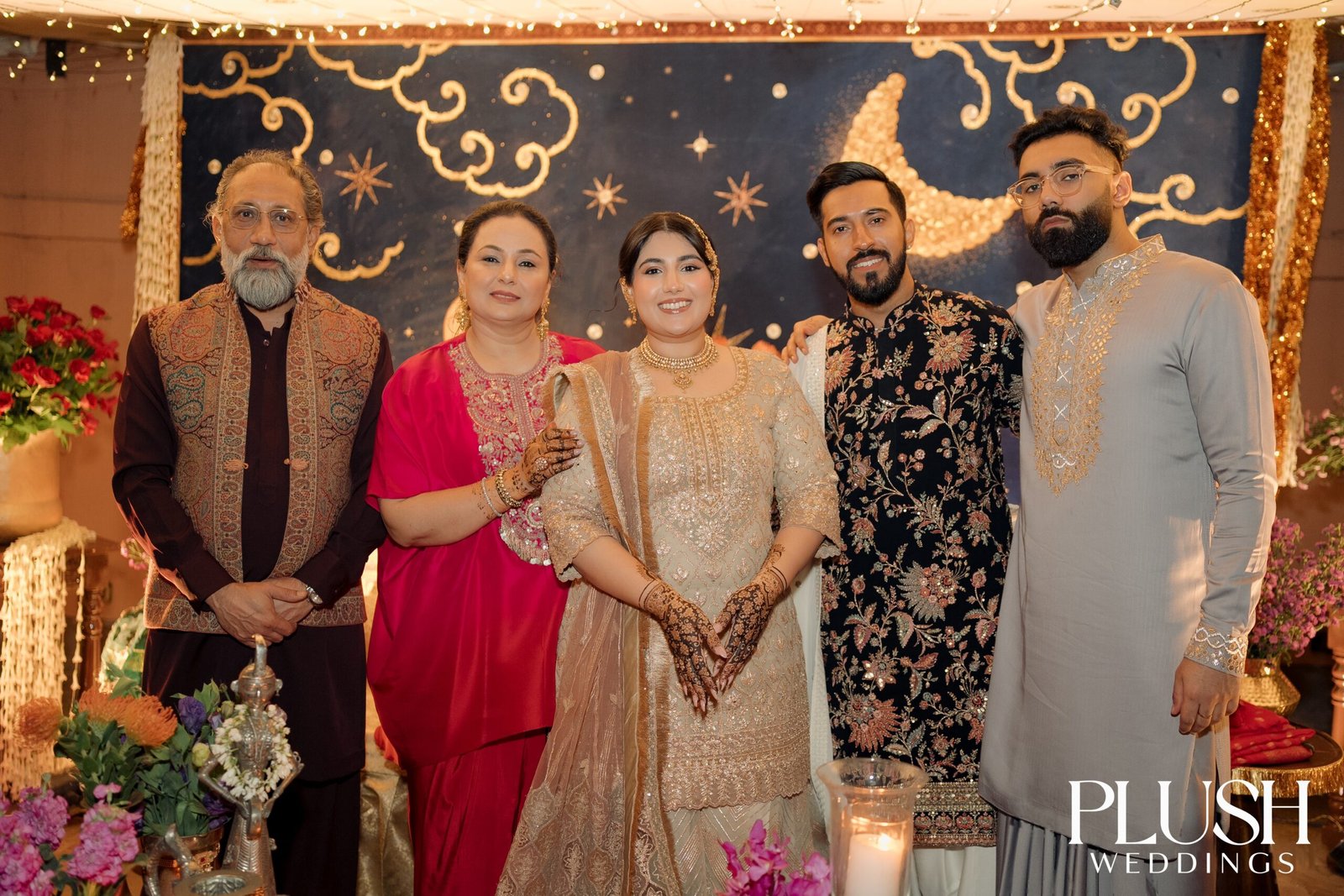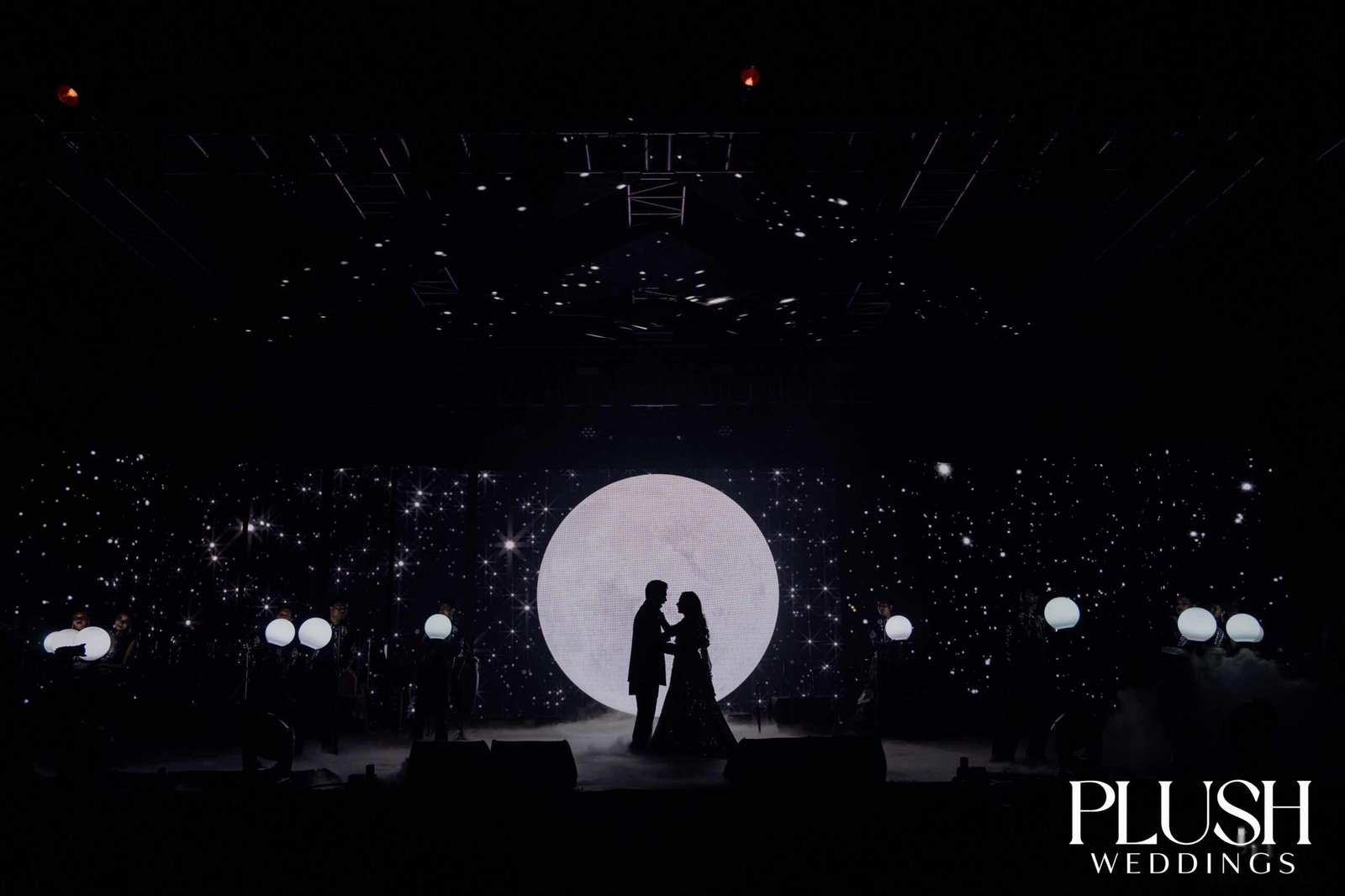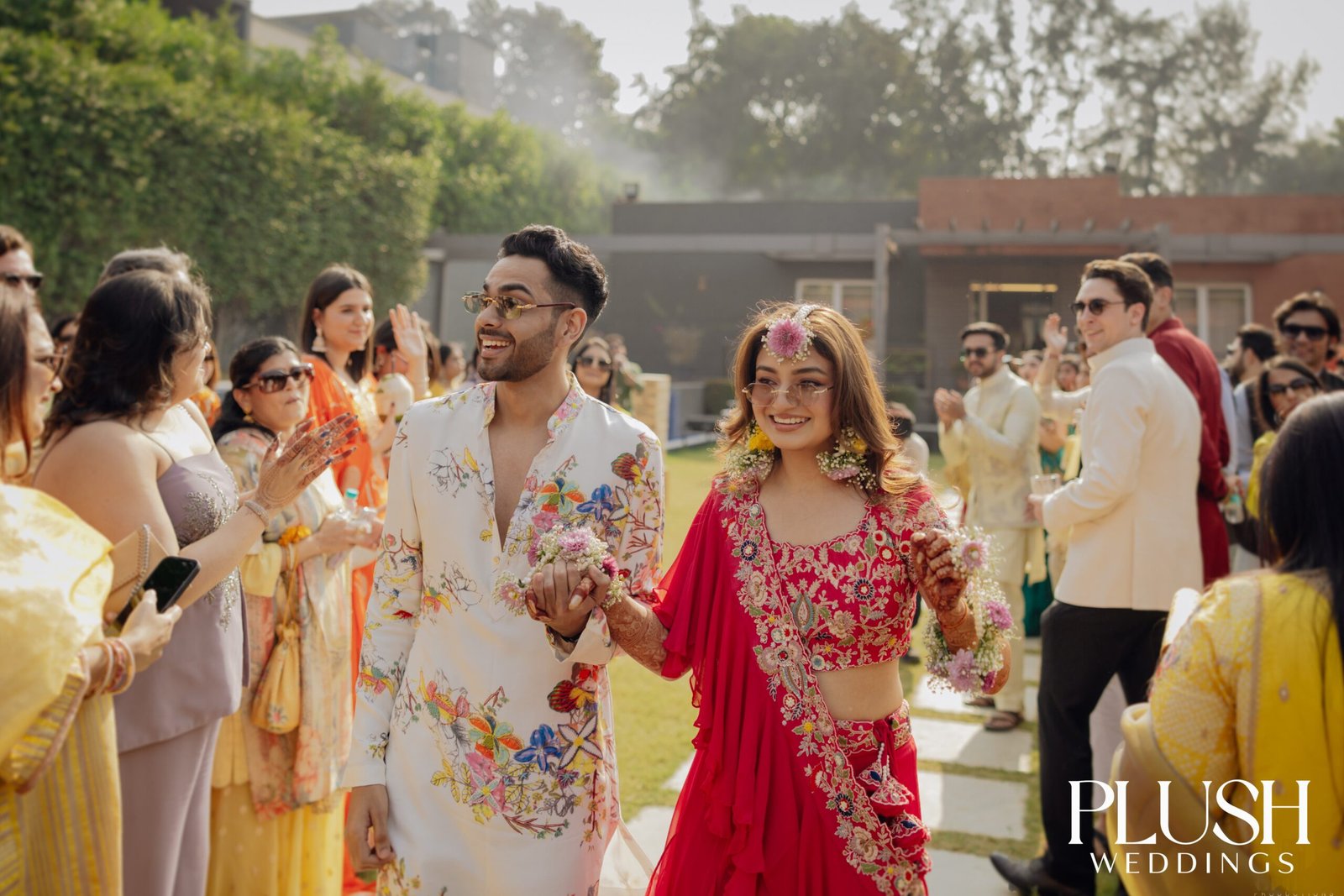
A luxury wedding is not defined by its scale alone. It is found in the thoughtful details, the quality of the experience, the beauty of the setting, and the personal touches that make a celebration memorable.
For many Indian couples, weddings bring together multiple generations, family traditions, cultural rituals, and a series of events that each hold their own significance. Planning these celebrations requires a balance between organisation and creativity.
Whether you are planning an intimate gathering or a grand multi-day celebration, the goal is to create an experience that reflects your relationship and brings your loved ones together.
Here is how to approach the process with clarity, intention, and a strong sense of personal style.
1. Begin With a Clear Wedding Vision
Before selecting a venue or finalising your decor, discuss the kind of experience you want your wedding to create.
Do you imagine a romantic garden ceremony, a regal palace celebration, a contemporary city wedding, or an intimate destination gathering?
Collect inspiration that reflects your preferences in architecture, flowers, fashion, colour, lighting, and photography.
Rather than copying every trend you see, identify a few elements that genuinely resonate with you. A clear vision will help you make consistent decisions throughout the planning process.
2. Build a Realistic Wedding Budget
Luxury and thoughtful planning can work together. Establishing a budget early allows you to prioritise what matters most while avoiding unnecessary stress.
Consider allocating funds across the major elements of your celebration:
- Venue and accommodation.
- Catering and guest hospitality.
- Decor, flowers, and lighting.
- Photography and videography.
- Wedding attire and styling.
- Entertainment and music.
- Transportation and logistics.
- Invitations and stationery.
- Contingency expenses.
The ideal allocation depends on your guest count, location, event schedule, and personal priorities.
Keep a record of deposits, payment deadlines, and contract terms. An organised budget makes it easier to evaluate choices and adjust plans when necessary.
3. Choose a Venue That Supports Your Vision
The venue influences the atmosphere of the entire wedding. It affects decor choices, guest movement, photography opportunities, lighting, and the overall schedule.
When comparing venues, consider more than the appearance of the main ceremony space.
Think about natural light, indoor alternatives, accessibility, guest accommodation, weather contingencies, and the distance between different event locations.
If photography is a priority, discuss potential portrait locations and lighting conditions with your photographer. Beautiful architecture, landscaped gardens, and thoughtfully designed interiors can provide a wonderful setting for wedding photographs.
For destination weddings, allow additional time to coordinate guest travel, accommodation, and local suppliers.
4. Create a Cohesive Wedding Aesthetic
A cohesive wedding aesthetic connects different elements into one considered visual experience.
Start with a colour palette and use it as a guide for decor, floral arrangements, stationery, table settings, and attire.
Soft neutrals, warm ivory, muted greens, rich jewel tones, and traditional reds can all work beautifully depending on the setting and the couple’s preferences.
Consider how the colours will appear in different lighting conditions. A palette that looks elegant during the day may feel very different under evening lighting.
The objective is not to make every element identical. It is to create harmony while allowing each event to retain its own personality.
5. Plan the Guest Experience
A wedding is not only a celebration for the couple. It is also an experience shared with family and friends.
Thoughtful hospitality can make guests feel welcomed and comfortable throughout the events.
Consider clear event schedules, convenient transport, comfortable seating, accessible facilities, dietary requirements, and useful information for out-of-town guests.
For multi-day weddings, provide details about dress codes, locations, timings, and travel arrangements in advance.
Small gestures, such as a personalised welcome note or a thoughtfully arranged hospitality area, can help create a more personal experience.
6. Make Photography and Films Part of the Planning Process
Photography should not be treated as an afterthought. Your photographer and filmmaker can help you identify meaningful moments, organise portrait sessions, and plan enough time for important photographs.
Share your event schedule, family priorities, and any cultural traditions that require special attention.
Discuss which moments are essential to document, including ceremonies, speeches, family interactions, and personal details.
If you want both photography and films, make sure the creative teams understand how they will coordinate. This helps everyone work efficiently without interrupting important moments.
7. Create a Thoughtful Wedding Timeline
Indian weddings often include several events, ceremonies, and family commitments. A realistic schedule helps prevent unnecessary rushing and allows everyone to enjoy the celebration.
Work with your planner and vendors to create a timeline that includes preparation, travel, ceremonies, portraits, meals, and entertainment.
Allow some flexibility for unexpected delays. A schedule with no breathing room can create stress for the couple and the people working behind the scenes.
It is also helpful to communicate the timeline with key family members and vendors so everyone understands their responsibilities.
8. Balance Traditions With Personal Details
Traditions can provide a strong emotional foundation for a wedding. Personal touches make those traditions feel connected to the couple’s own journey.
You might include meaningful family heirlooms, handwritten notes, favourite music, a personal ceremony detail, or photographs that honour important relationships.
The most memorable celebrations often combine cultural significance with the couple’s individual personalities.
There is no single formula for creating a meaningful wedding. The right choices are the ones that reflect your values and the people you are celebrating with.
9. Prepare for the Unexpected
Even a carefully planned wedding can encounter unexpected challenges, from weather changes to schedule delays.
Discuss contingency plans with your planner and venue. Keep important contact details accessible and ensure that suppliers understand the backup arrangements.
For photography and videography, ask about equipment preparation, data backup procedures, and emergency coverage arrangements.
Good preparation does not eliminate every uncertainty, but it can make the experience much easier to manage.
Final Thoughts: Luxury Is in the Details That Matter
A beautiful wedding is the result of thoughtful decisions working together. From the setting and styling to the guest experience and the memories preserved, each element contributes to the story of the celebration.
The most meaningful luxury is not simply what your guests see. It is how the celebration makes everyone feel and the memories it leaves behind.
At Plush Weddings, we believe wedding photography should reflect the atmosphere, emotion, and individuality of every celebration.