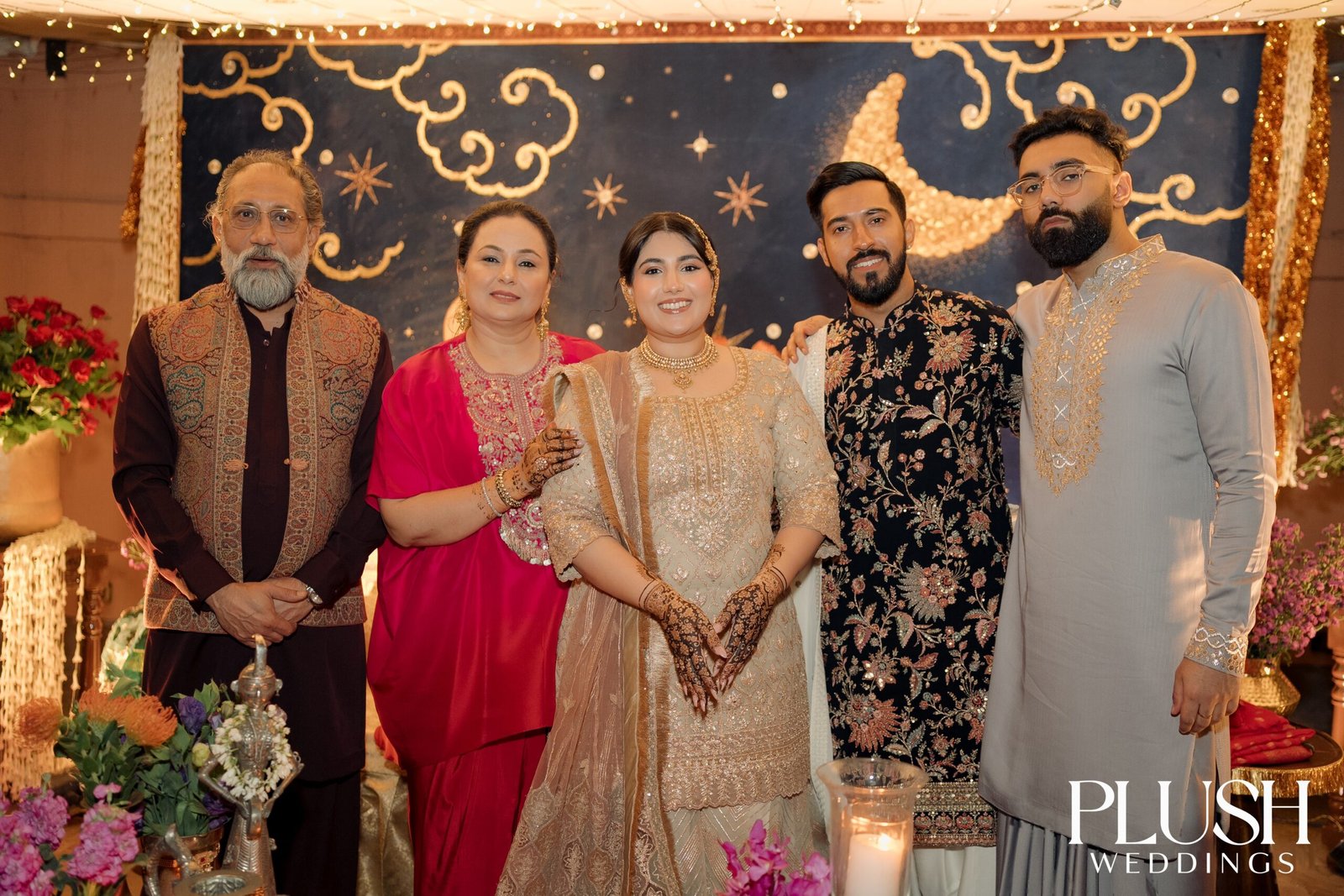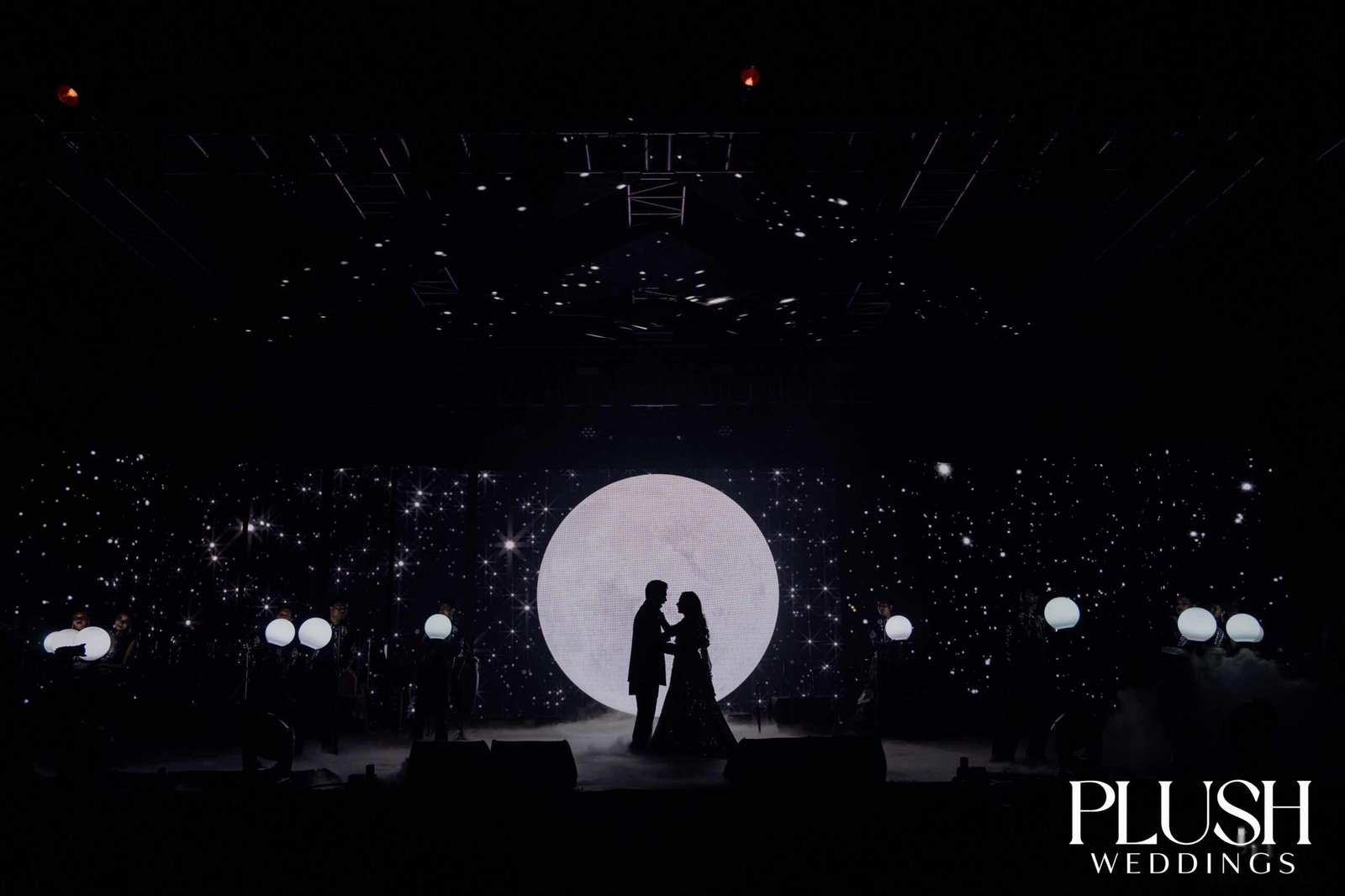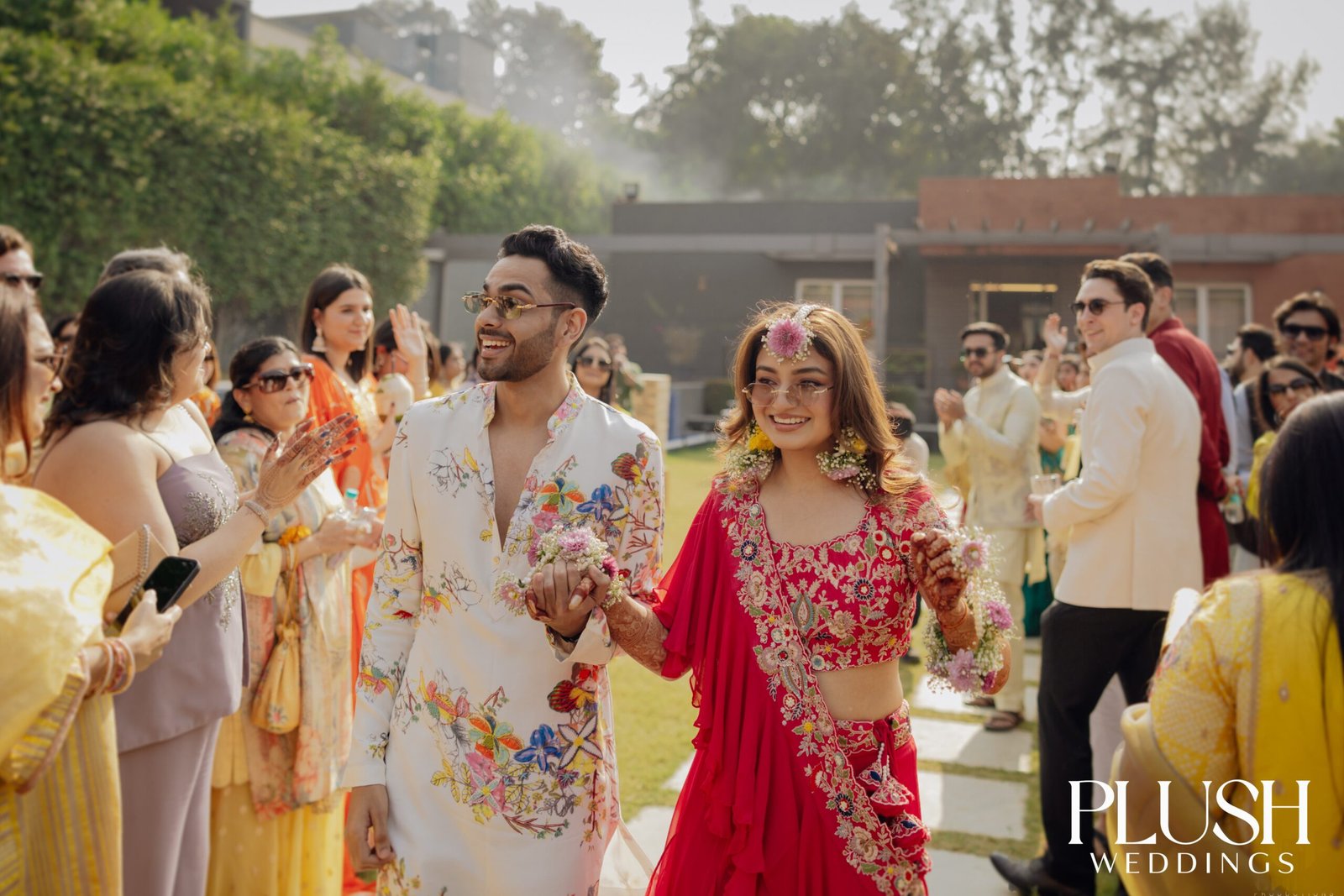
Your wedding day will pass in a collection of beautiful, fast-moving moments. The celebrations, the embraces, the rituals, and the time spent with loved ones will eventually become memories. Your wedding photographs will help you return to those memories long after the day has ended.
Choosing a wedding photographer is therefore about more than finding someone who takes beautiful pictures. It is about finding a creative professional who understands your vision, respects your priorities, and can document your celebration in a way that feels authentic to you.
With so many photography styles and packages available, knowing where to begin can feel overwhelming. This guide will help you make a thoughtful and confident decision.
1. Understand Your Preferred Photography Style
Before contacting photographers, spend some time exploring the styles you naturally gravitate towards.
Candid and Documentary Photography
This style focuses on real interactions and spontaneous moments. It is ideal for couples who want their photographs to reflect the genuine atmosphere of their celebration.
Editorial Wedding Photography
Editorial photography often features intentional compositions, considered styling, beautiful light, and a refined visual aesthetic. It can create photographs that feel polished while still reflecting the couple’s personality.
Fine Art Wedding Photography
Fine art photography places particular emphasis on light, composition, colour, and visual harmony. The result often feels romantic, delicate, and timeless.
Cinematic Wedding Films
Wedding films combine moving images, music, sound, and thoughtful editing to create an immersive account of the celebration. They can preserve voices, speeches, laughter, and the atmosphere of meaningful moments.
Many photographers and filmmakers combine several of these approaches. Rather than choosing a style based on its name alone, look for work that makes you feel connected to the story being told.
2. Review Complete Wedding Galleries
Social media can be a helpful starting point, but a curated collection of highlights does not always reveal how a photographer approaches an entire wedding.
Ask to see complete wedding galleries or representative collections from celebrations similar to yours.
Pay attention to:
- Consistency in image quality across different lighting conditions.
- The photographer’s ability to capture candid interactions.
- Family portraits and important ceremonial moments.
- Indoor, outdoor, and evening photography.
- Colour grading, editing, and overall storytelling.
- The way details, decor, and personal touches are documented.
A strong portfolio should demonstrate more than a handful of beautiful photographs. It should show that the photographer can tell a coherent story from beginning to end.
3. Look for a Personal Connection
Your photographer may spend some of the most important and emotional hours of your wedding day with you. Feeling comfortable around them can make a meaningful difference to your experience.
Arrange a conversation before booking. Discuss your expectations, share your ideas, and notice whether the photographer listens carefully.
You should feel comfortable explaining what matters to you, asking questions, and expressing any concerns.
A good working relationship is built on trust, communication, and mutual understanding.
4. Ask About Experience and Team Structure
Every wedding has its own logistical needs. A small, intimate ceremony may require a different approach from a multi-day celebration with several venues and overlapping events.
Ask who will photograph and film your wedding, whether additional team members are available, and how coverage will be organised.
It is also worth discussing how the team coordinates with planners, manages changing schedules, and handles unexpected situations.
Understanding these details in advance helps set clear expectations for everyone involved.
5. Understand the Package and Deliverables
Photography packages can differ significantly. Before making a decision, ask what is included and whether additional services can be added.
Consider discussing:
- Hours of coverage and the number of wedding events included.
- Photography and videography options.
- The number of photographers or filmmakers.
- Estimated image and film delivery timelines.
- Album design, printing, or other physical products.
- Travel and accommodation costs for destination weddings.
- Payment schedules and cancellation policies.
Compare packages based on the coverage and experience they provide, not just the headline price.
Make sure all important details are clearly documented in your agreement.
6. Discuss Editing and Delivery
Editing plays an important role in the final appearance of wedding photographs and films. Different photographers have different approaches to colour, contrast, skin tones, and visual consistency.
Review their existing work to understand their style rather than expecting every image to be edited in a completely different direction.
Ask how your photographs will be delivered, how long the process usually takes, and whether the final collection includes a private online gallery or another delivery method.
For films, discuss the expected format and whether short highlights or longer documentary edits are included.
7. Ask the Right Questions Before Booking
Before confirming your photographer, consider asking:
- Are you available for our wedding dates and locations?
- Can we view complete galleries from recent weddings?
- Who will be present on the wedding day?
- What happens if the schedule changes unexpectedly?
- How do you approach candid moments and family portraits?
- What is included in the package?
- What are the estimated delivery timelines?
- What are your booking, payment, and cancellation terms?
- How do you back up and protect our photographs?
- What happens if an unforeseen emergency prevents you from attending?
Clear answers will help you understand the experience you can expect.
8. Book Early, but Choose Thoughtfully
Popular wedding dates can fill up well in advance, especially during busy wedding seasons. Starting your search early gives you more time to compare portfolios, arrange consultations, and make an informed choice.
However, avoid rushing into a booking simply because someone is available. The right photographer should align with your preferred aesthetic, communication style, practical requirements, and budget.
Final Thoughts: Invest in the Memories That Last
Decorations may be taken down, flowers may fade, and the music will eventually stop. What remains are the memories you carry and the photographs and films that help you revisit them.
Choosing a wedding photographer is an investment in preserving those memories with care.
At Plush Weddings, we believe every celebration deserves an individual approach, thoughtful storytelling, and a commitment to capturing moments that matter.